Tell DEQ What You Think
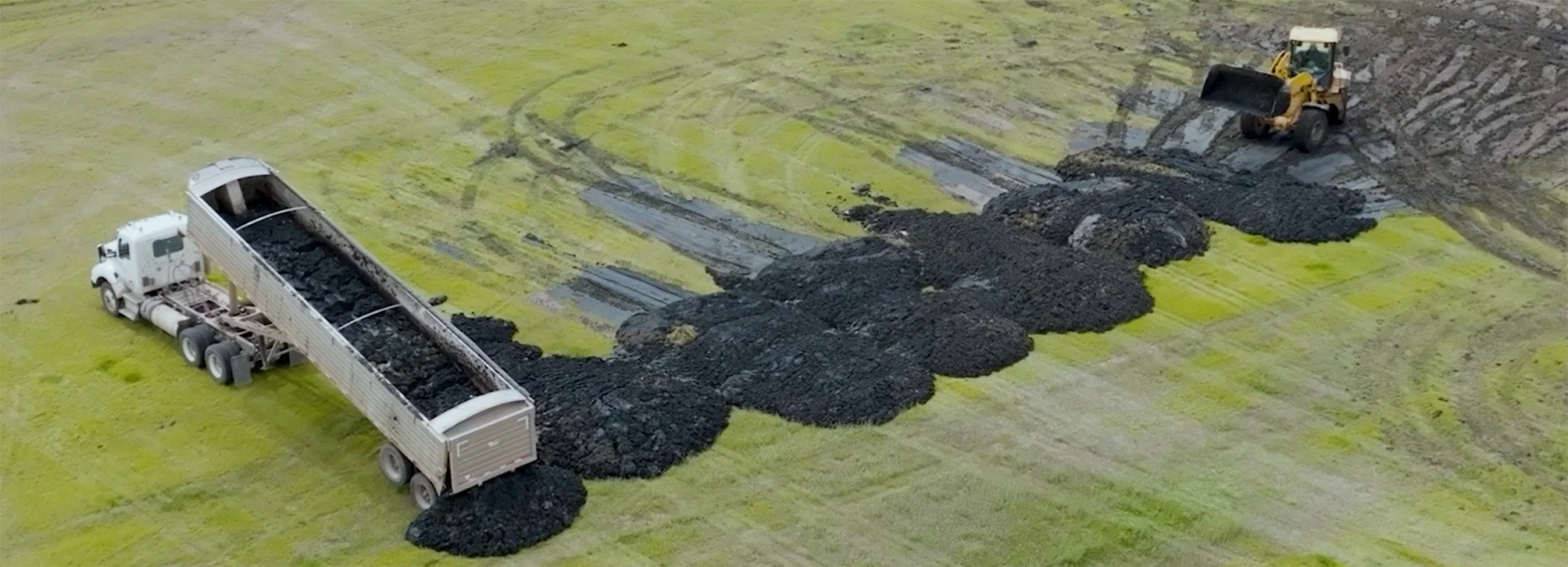
Image courtesy of Mission503.org
Want to submit a comment but not sure what to say? Join us for a virtual
Comment-Writing Party
Thursday, September 17th
7:00 to 8:00pm
Hosted by our friends at Wild Virginia. Use the button to register on eventbrite.
This event is FREE!

Want Help?
Our coalition comment template with a focus on PFAS is available for download HERE and a more general comment template is HERE.
New!
Draft Permit
DEQ has written a DRAFT PERMIT and a FACT SHEET about the permit. Use the text links to download, then read them to help inform your comments.
How To Submit Comments That Count
DEQ is accepting public comment for 30 days on Synagro’s permit application to spread sewage sludge in Albemarle County, permit number VPA01587.
Submission Deadline: September 24, 2026
GoaI #1: Get a Public Hearing
If at least 25 comments are submitted that follow the guidelines below, then DEQ will hold a public hearing about this permit application. Public hearings are very important. They slow down the permitting process, provide a public forum in which neighbors can voice their concerns, provide an opportunity for media coverage and an opportunity to educate the public about biosolids more broadly.
Goal #2: Create a Public Record
It’s also important to have a large collection of comments showing public opinion against the spreading of biosolids on farmland. Your voice matters! All comments become part of the public record. We can use these comments to press local authorities for a new biosolids ordinance; show state policymakers and regulators how their constituents feel about the issue, and provide journalists with information and leads to follow.
Participate
To get a public hearing, your comments must follow these five rules, or they will not count!In order for each comment to count toward that goal of 25, it must:
1. Include this information:
a. Name of the applicant:
Synagro Central, LLC
1681 Tappahannock Blvd,
Tappahannock, VA 22560
b. The permit number: VPA01587
c. The name and postal address or email address of the commenter (that’s you!).
2.Ask for a Public Hearing and say Why one is needed. The main purpose of your letter is to get that public hearing, so don’t forget to ask for it (or demand it). You also need to state a reason why. You could say, for example, that you think your neighbors need the opportunity to hear more from DEQ and from the public about the proposed permit, or you think DEQ needs to hear more from the public about this topic, in a live, public forum. Your first paragraph should contain the request and reason why.
3. Describe the interest of the commenter. DEQ wants a “brief informal statement” that describes how you would be personally and negatively impacted by this particular permit. This needs to be true and as personal as possible. Even if you do not live in the County, you can still comment, and still be connected to the place.
If you have family or friends in the County; if you visit Albemarle, or stop there on the way to somewhere else; or if you eat food that’s grow on a farm there; or if the water flowing out of Albemarle affects your home county or another place you visit regularly. Write in first person and relate your interests to biosolids. For example, “When I visit Albemarle County, I want to know my family is safe from PFAS and other toxic substances present in biosolids.”
4. Raise “substantial, disputed issues relevant to the permit.” For example, you could mention that the permit fails to control environmental contamination from PFAS, microplastics, and pharmaceuticals that would almost certainly result from spreading biosolids, because, even though testing has shown them present in almost all sewage sludge, regulation governing those substances in biosolids is inadequate. You could mention that because DEQ does not require testing biosolids on farms for these substances, we are left unable to know whether this practice is safe or not.
5. Make it unique. DEQ requires 25 “unique” comments. You can use other people’s letters for ideas and use a template as a guide. But ultimately, you have to make the letter your own, in order for it to count.
Our Templates Can Get You Started
We have two templates to help you with your comment-writing. Our coalition of local conservation groups is offering a template focused on the dangers of PFAS in biosolids, which is available HERE and our shorter, more general Don’t Spread On Me template is available HERE. Either one is available for you to download. Follow the instructions and delete the placeholder text before you submit.
Comments for this permit application must be submitted via email to Mattie Jenkins, Environmental Specialist at DEQ Blue Ridge Regional Office.
When a Public Hearing is Granted…
If we succeed in getting those 25 comments and DEQ holds a public hearing, a second 30-day comment period will be announced. We’ll try (and you can help us) to get as many people as possible to come to the public hearing and present their comments about biosolids there, in person.
Invite the media. The Public Hearing is a great opportunity for reporters to get a lot of information in a short period of time.